

5 Best Fragrant Rice Pilaf Recipes for Elegant Dining
Elevating a standard dinner into a memorable feast often comes down to the side dishes, and mastering the 5 best fragrant rice pilaf recipes is the ultimate way to achieve this. Rice is the most consumed staple food in the world, but it is frequently treated as an afterthought—boiled in water and served plain. A pilaf, however, is a completely different culinary experience. By lightly toasting the rice grains in fat before simmering them in a flavorful broth, you unlock a nutty depth, ensure perfectly separate grains, and create a dish that can stand proudly next to any main course. Whether you are hosting a formal dinner party or simply want to elevate a weeknight meal, a beautifully prepared pilaf adds a touch of elegance and immense comfort to the table.
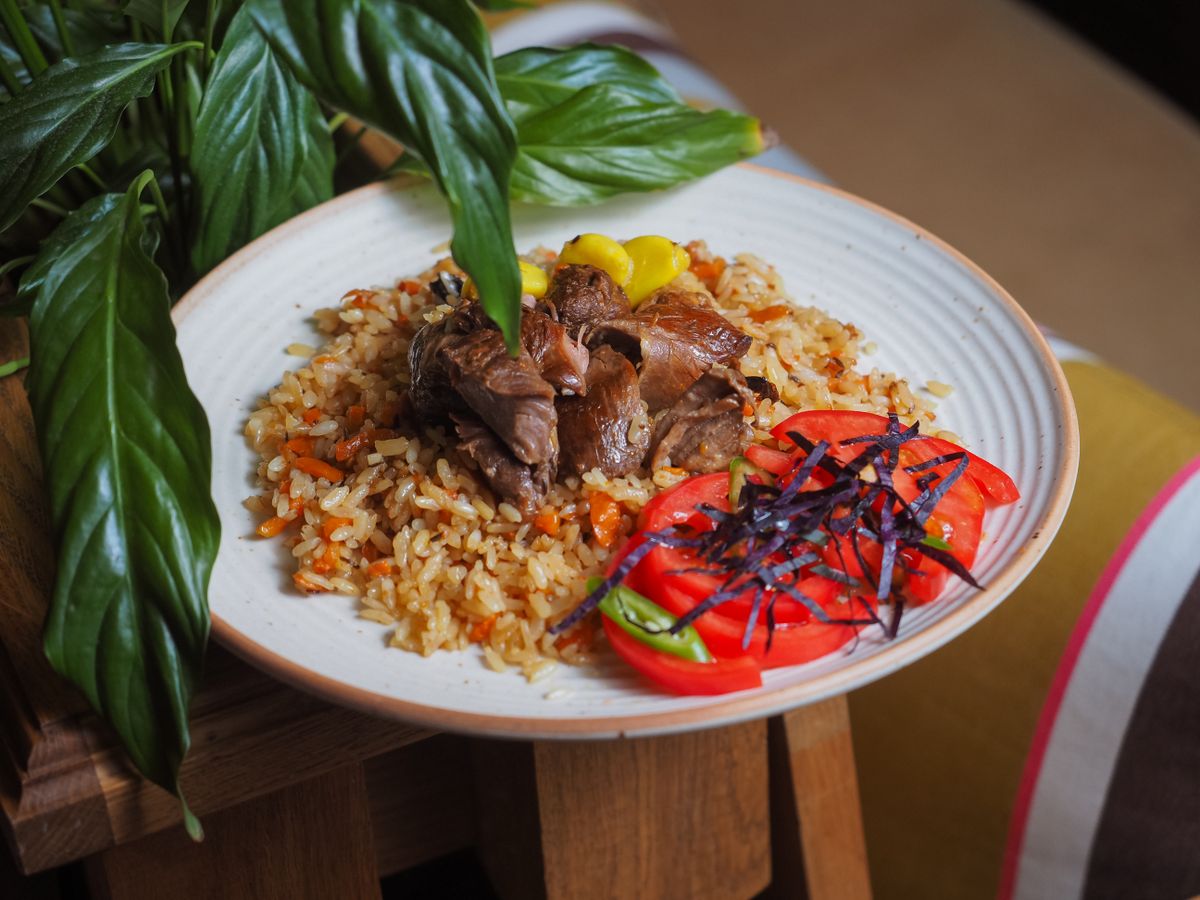
The Culinary Art of Fragrant Rice Pilaf Recipes
To truly appreciate the best fragrant rice pilaf recipes, one must understand the technique that defines them. The word "pilaf" (or pilau) refers to a method of cooking rice in a seasoned broth, but the crucial step is the initial sauté. The rice is rinsed to remove excess surface starch, drained thoroughly, and then added to a hot pan with butter or olive oil. This toasting process seals the grains, preventing them from becoming mushy and giving them a delightful, slightly nutty flavor.
According to culinary experts at Serious Eats, the ratio of liquid to rice is also critical. Unlike standard boiled rice, pilaf typically requires a slightly lower ratio of liquid to ensure the grains remain distinct. Once the liquid is added, the pot is covered, and the rice is cooked gently until all the liquid is absorbed. Finally, allowing the rice to rest off the heat for ten minutes before fluffing is essential for perfect texture.
Infusing Broths and Aromatics for Deep Flavor
The difference between a bland rice dish and a spectacular pilaf lies in the liquid and the aromatics. Water is never the best choice for a pilaf. Instead, the rice should be simmered in a rich, high-quality stock—whether it is chicken, vegetable, or beef. The broth penetrates the grains, infusing them with savory, umami-rich flavor.
Aromatics are equally important. Onions or shallots are usually sautéed in the fat before the rice is added, creating a sweet, savory base. Whole spices like bay leaves, cardamom pods, cloves, and cumin seeds are also added to the oil, blooming and releasing their essential oils. For those who enjoy exploring complex spice profiles, the techniques used in our guide to best aromatic Indian vegetarian dishes offer excellent parallels for building deep layers of flavor.
The Importance of Choosing the Right Rice
The success of the best fragrant rice pilaf recipes hinges heavily on the type of rice used. Long-grain varieties are the standard for pilaf because they remain separate and fluffy. Basmati rice is a top choice, prized for its aged, nutty flavor and its ability to elongate beautifully during cooking. Jasmine rice is another excellent option, offering a softer texture and a delicate floral aroma.
Short-grain or sticky rice varieties should be avoided for this method, as they will clump together and lose the distinct grain texture that defines a great pilaf. Regardless of the variety chosen, rinsing the rice under cold water until the water runs clear is a crucial step. This removes the surface starch that can cause the grains to stick together, ensuring a light and airy final dish.
Incorporating Dried Fruits, Nuts, and Herbs
To make your pilaf truly elegant, the finishing touches are just as important as the base. The addition of toasted nuts—such as almonds, pine nuts, or pistachios—adds a crucial textural crunch. Dried fruits like raisins, currants, or dried apricots provide a surprising burst of sweetness that balances the savory broth and spices.
Fresh herbs are the final flourish. Chopped parsley, cilantro, dill, or mint should be folded into the rice just before serving. The residual heat will gently wilt the herbs, releasing their bright, fresh aromas without turning them bitter. This combination of savory, sweet, crunchy, and fresh elements is what transforms a simple grain into a truly memorable dish. If you enjoy complementing rich dishes with fresh elements, the vibrant flavors in our best refreshing fruit desserts serve as a perfect ending to a meal featuring a heavy pilaf.
Final Thoughts
Mastering the best fragrant rice pilaf recipes is a fundamental skill that every home cook should possess. It teaches the importance of technique—from the initial toasting of the grains to the careful measurement of liquid—and the value of using high-quality ingredients. Whether you are serving it alongside a roasted chicken or enjoying it as a main course loaded with vegetables and legumes, a beautifully made pilaf is a dish of elegance and comfort. So, reach for your best stock, gather your favorite spices, and elevate your next meal with a perfectly cooked, aromatic rice pilaf.
To discover more balanced and flavorful meal options, visit the Tasty Foodio homepage.


