

6 Best Authentic Fried Rice Recipes to Elevate Leftovers
Unlocking the secret to the 6 best authentic fried rice recipes is the ultimate culinary superpower for minimizing food waste and creating incredibly delicious meals in minutes. Fried rice is the epitome of resourceful cooking—a dish born out of the necessity to use up leftover rice, vegetables, and proteins. Yet, it has evolved into a global phenomenon, celebrated for its savory, smoky flavors, distinct textures, and infinite adaptability. The beauty of fried rice is that it is both a blank canvas and a strict discipline. While you can throw almost anything into the wok, achieving that authentic restaurant-quality taste requires a specific set of techniques and a deep understanding of how heat interacts with the ingredients.
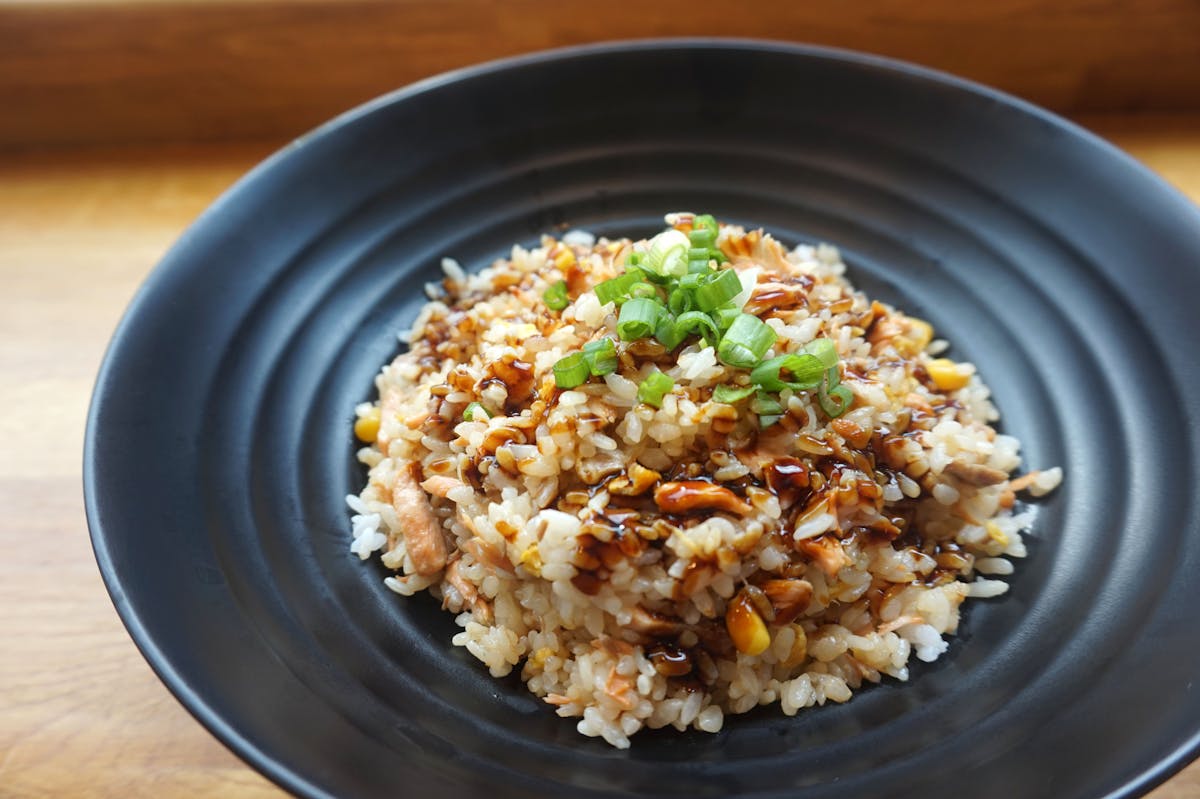
The Science Behind Authentic Fried Rice Recipes
To master the best authentic fried rice recipes, you must first understand the role of the rice itself. Freshly cooked rice is the enemy of good fried rice. When rice is freshly cooked, it contains a high amount of moisture. If you throw it into a hot wok, the steam will cause the grains to clump together and become mushy. Instead, fried rice relies on day-old, chilled rice. During the chilling process in the refrigerator, the starch molecules in the rice undergo a process called retrogradation, becoming firm and resistant to moisture.
According to culinary experts at BBC Good Food, using chilled rice ensures that the grains remain separate and absorb the sauces perfectly without turning into a sticky porridge. If you do not have day-old rice, spreading freshly cooked rice on a tray and placing it in the freezer for 30 minutes can achieve a similar result.
Mastering the Wok Hei
The elusive, smoky flavor that defines the best fried rice is known as 'Wok Hei' or the "breath of the wok." This flavor cannot be replicated in a standard non-stick pan. It requires a carbon steel wok heated to an extreme temperature. When the food hits the smoking hot surface, the moisture evaporates instantly, and the natural sugars and proteins caramelize, creating a complex, charred depth of flavor.
Achieving Wok Hei at home requires a few adjustments. You must cook in small batches to maintain the heat of the pan; overcrowding will cause the rice to steam. Additionally, all your ingredients—including the rice, vegetables, and sauces—must be prepped and arranged next to the stove before you turn on the heat. The actual cooking process takes less than five minutes. For more insights into managing high heat and rapid cooking, the techniques in our guide to best Chinese stir-fry techniques are essential reading.
Balancing the Essential Sauces
While fried rice is forgiving, the balance of the sauce is what brings the dish together. The holy trinity of fried rice sauces typically includes light soy sauce, dark soy sauce, and a touch of sesame oil. Light soy sauce provides the necessary saltiness and umami, while dark soy sauce contributes a deep, rich color. Sesame oil, added at the very end off the heat, provides a fragrant, nutty aroma.
Some variations also include a splash of oyster sauce for extra umami or a pinch of white pepper for a subtle, earthy heat. The key is to add the sauces directly to the sides of the hot wok rather than pouring them over the rice. This allows the sauces to sizzle and caramelize slightly before mixing into the dish, enhancing their flavor profile.
Adding Eggs and Vegetables
A great fried rice is a masterclass in texture. The eggs should be scrambled lightly in the hot oil before the rice is added, providing golden, fluffy pockets of protein. Vegetables, such as peas, diced carrots, and scallions, should be crisp and brightly colored, offering a satisfying crunch against the soft rice.
Meat or seafood, if using, should be cooked separately beforehand and added back at the end to prevent overcooking. The final dish should be a vibrant mosaic of colors and textures. If you enjoy creating dishes that are highly customizable and balanced, the assembly principles of our healthy lunch bowls translate perfectly to building your own signature fried rice.
Final Thoughts
Mastering the best authentic fried rice recipes is about embracing the high-heat, fast-paced nature of Asian cooking. It requires a shift in preparation habits and a reliance on chilled ingredients. Once you grasp these fundamentals, fried rice becomes the ultimate weeknight dinner—a dish that transforms humble leftovers into a spectacular, savory feast. So, next time you order takeout, save that extra container of rice, and get ready to fire up your wok.
To discover more balanced and flavorful meal options, visit the Tasty Foodio homepage.


