

5 Best Flavorful Indian Curry Recipes to Master at Home
Exploring the 5 best flavorful Indian curry recipes is an invitation to understand one of the world's most complex and rewarding culinary traditions. Indian cuisine is not a monolith; it is a vast tapestry of regional styles, ingredients, and techniques that have evolved over thousands of years. At the heart of this cuisine lies the curry—a term that is often misused as a catch-all for any spiced dish, but which actually encompasses a stunning variety of preparations, from creamy, yogurt-based gravies to tangy, tomato-heavy concoctions. Mastering a few foundational recipes opens up a world of flavor, teaching you the delicate art of balancing spices and building layers of taste. This article explores the philosophy behind creating these iconic dishes and highlights five exceptional recipe concepts worth perfecting.
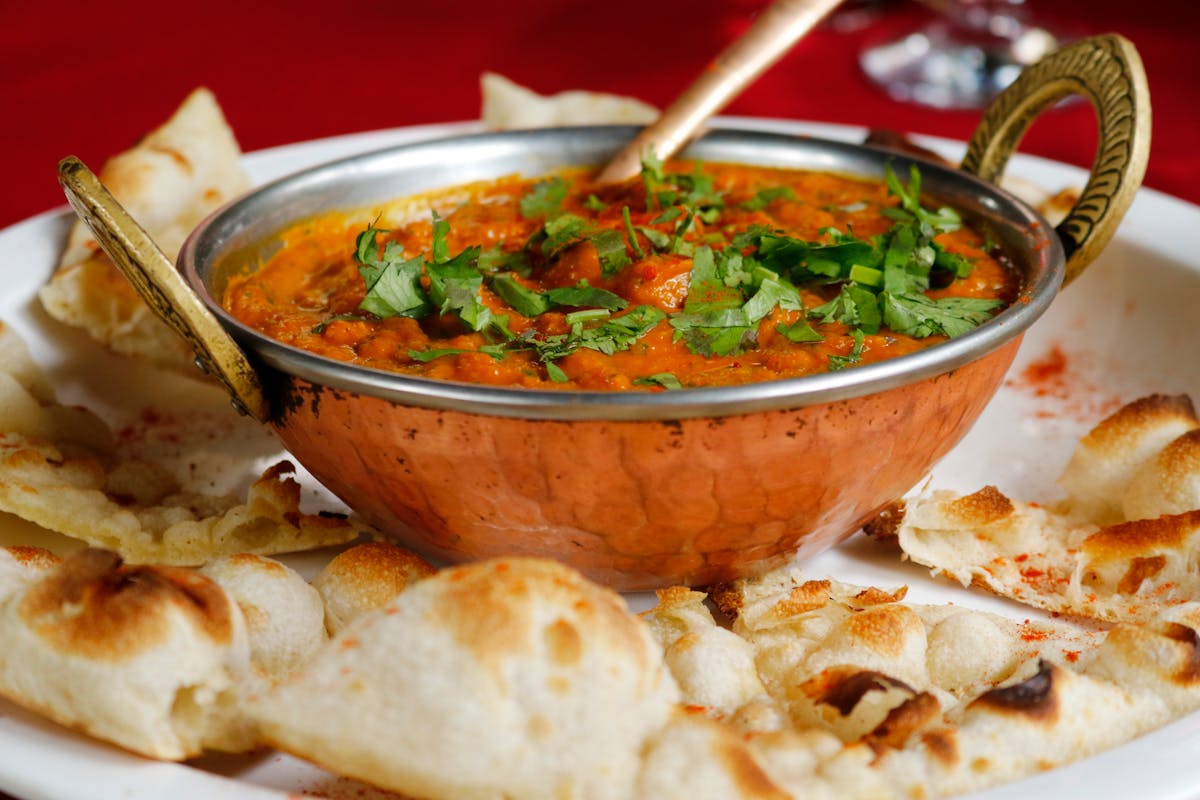
The Foundation of Flavorful Indian Curry Recipes
To understand what makes the best flavorful Indian curry recipes, one must first look at the technique of 'bhunai'—the process of slowly frying the spices, onions, ginger, and garlic. This step is non-negotiable. It is during this slow cooking that the raw flavors of the spices mellow out and transform into something deeply aromatic and complex. Rushing this stage will result in a curry that tastes harsh and undercooked.
According to culinary experts at Serious Eats, the order in which ingredients are added is crucial. Whole spices go into the hot oil first to infuse it with flavor. Then comes the aromatics—onions, ginger, and garlic. Once the onions are deeply caramelized and the raw smell has dissipated, the powdered spices are added. Finally, the main ingredient (meat or vegetables) is introduced, followed by a liquid to create the gravy. Understanding this sequence is the first step to mastering Indian cooking.
Balancing the Spice Blend: The Masala
The term 'masala' refers to a blend of spices, and every Indian household has its own secret recipe. While it is entirely acceptable to use a high-quality store-bought garam masala, creating your own blend from whole spices yields a vastly superior result. Toasting whole cumin, coriander, cardamom, cloves, and cinnamon in a dry pan until fragrant, and then grinding them into a fine powder, is a transformative experience.
A great curry relies on the balance of these spices. The warmth of cinnamon and cardamom should be subtly present, while the earthy, peppery notes of cumin and coriander provide the backbone. Turmeric provides color and a distinct earthy flavor, while chili powder adds heat. The key is to use freshly ground spices, as their essential oils dissipate quickly once powdered. If you enjoy exploring complex, layered flavors, the principles of blending found in our guide on perfect Pakistani biryani secrets are highly relevant here.
The Creamy vs. Tomato-Based Divide
Broadly speaking, Indian curries can be divided into two main categories: those with a creamy base and those with a tomato base. Creamy curries, often associated with the northern regions like Punjab, use yogurt, cream, or cashew paste to create a rich, velvety texture. These curries are typically milder and pair beautifully with meats or paneer. A classic example is the butter chicken or a rich korma.
Tomato-based curries, on the other hand, are tangier and slightly spicier. The tomatoes are cooked down until they completely break apart, forming a thick, glossy gravy. A splash of lemon juice or a pinch of dried fenugreek leaves (kasuri methi) is often added at the end to cut through the richness and add an authentic, earthy taste. The choice between the two styles often depends on the main ingredient. Lighter vegetables and fish fare well with tomato-based sauces, while heartier meats and dairy take beautifully to creamy gravies.
Slow Cooking: The Key to Depth
Patience is perhaps the most important ingredient in an Indian curry. While some modern pressure-cooker recipes promise speed, traditional Indian curry recipes rely on the slow, gentle simmering of the ingredients to achieve maximum depth of flavor. As the curry simmers, the flavors meld together, the meat becomes fork-tender, and the gravy thickens naturally.
This slow cooking process is often done in a heavy-bottomed pot or a traditional clay pot, which retains heat evenly and prevents scorching. The finished dish is usually garnished with fresh coriander leaves, a swirl of cream, or a sprinkle of toasted spices. For more ideas on assembling rich, comforting meals, look at our quick dinner ideas to see how these elements come together on a plate.
Final Thoughts
Mastering the best flavorful Indian curry recipes is a journey of continuous learning. It requires an understanding of the spices, the patience to fry the ingredients thoroughly, and the intuition to balance flavors. The five recipes explored here—whether they be a tangy rogan josh, a rich butter chicken, or a vibrant vegetarian dal—offer a window into the heart of Indian cuisine. Start by perfecting a simple tomato-based gravy, then experiment with different spice blends and creamy elements. The kitchen is your canvas, and the spices are your palette.
For more inspiration on transforming your daily meals, explore the Tasty Foodio homepage.


