

6 Best Authentic South Indian Dosa Recipes to Perfect
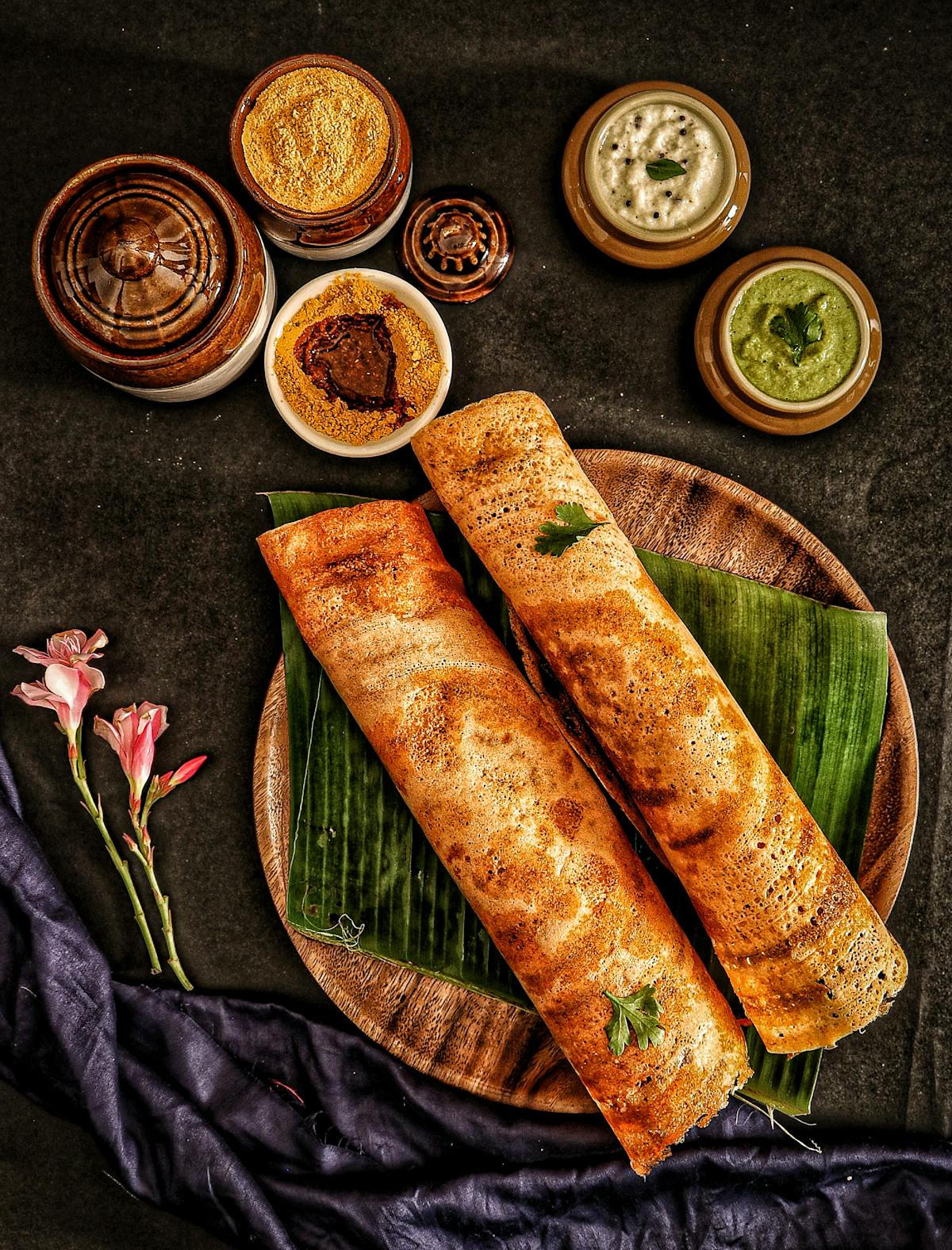
Exploring the 6 best authentic South Indian dosa recipes is one of the most rewarding culinary adventures a home cook can undertake. Dosa—a thin, crispy, crepe-like pancake—is a staple in South Indian cuisine and a beloved breakfast and dinner dish worldwide. What appears to be a simple street food is actually a product of complex food science, relying on the delicate fermentation of lentils and rice to achieve its signature tangy flavor and airy texture. A perfect dosa should be golden brown, exceptionally crispy on the outside, and slightly spongy on the inside, pairing beautifully with a variety of chutneys and sambar. This article explores the intricacies of making the perfect dosa batter and highlights six traditional variations that showcase the versatility of this iconic dish.
The Cultural Importance of Authentic South Indian Dosa Recipes
The dosa is deeply woven into the fabric of South Indian culture, particularly in states like Tamil Nadu, Karnataka, and Kerala. According to historical references, the dosa has been enjoyed for centuries, with early mentions in Tamil literature dating back to the 1st century AD. Traditionally, it is cooked on a large, flat cast-iron griddle (tawa) and served with a generous smear of ghee or oil.
Different regions boast their own unique styles. A Mysore Masala Dosa is known for its spicy red garlic chutney spread across the inside, while a Neer Dosa from Karnataka is delicate, lacy, and soft, made from a completely different rice batter. Understanding these regional nuances is key to appreciating the depth of South Indian cuisine.
The Magic of Fermentation
The soul of any dosa is the batter, which is made from a mixture of parboiled rice and urad dal (black gram lentils). The process of making the batter is a lesson in patience and microbiology. The rice and dal are soaked separately for several hours, then ground into a smooth paste. This batter is then left to ferment overnight, usually in a warm place.
During fermentation, wild yeast and beneficial bacteria feed on the carbohydrates in the rice, producing lactic acid and carbon dioxide. This is what gives the dosa its characteristic tangy, sour flavor and its light, bubbly texture. The temperature plays a crucial role here; too cold, and the batter won't ferment; too hot, and it will spoil. In cooler climates, keeping the batter in an oven with the light on can help maintain the necessary warmth. If you enjoy understanding the science behind baking and fermentation, the concepts in our article on best authentic French pastry desserts offer similar insights into the importance of temperature control.
Achieving the Perfect Crisp
Once the batter is fermented and ready, the technique of cooking the dosa determines its ultimate success. The griddle must be incredibly hot and properly seasoned. A drop of water flicked onto the surface should sizzle and evaporate instantly. The batter is then poured into the center of the griddle and spread quickly in a circular motion using the back of a ladle.
The thickness of the spread is a matter of preference. A thicker spread results in a softer dosa (like a set dosa), while a very thin spread yields a paper-thin, exceptionally crispy dosa (like a paper roast). Drizzling a little oil or ghee around the edges helps the dosa lift cleanly from the pan and adds a rich flavor. The trick is not to flip the dosa too early; it must cook on the first side until the bottom is golden brown and crispy before being folded or flipped.
The Essential Accompaniments
A dosa is only as good as the accompaniments served with it. The most classic pairing is coconut chutney—a vibrant blend of fresh coconut, green chilies, ginger, and tempered mustard seeds. The sweetness and richness of the coconut provide a perfect foil to the tangy dosa. Sambar, a lentil-based vegetable stew, is another essential. The tanginess of tamarind and the warmth of sambar powder in the sambar complement the dosa beautifully.
For those looking for lighter snack options between meals, the principles of fresh, vibrant ingredients used in these chutneys are similar to those found in our best refreshing fruit desserts guide. Both rely on natural ingredients to create bright, clean flavors.
Variations on the Classic Dosa
While the plain dosa is a masterpiece in its own right, the variations are endless. The Masala Dosa, stuffed with a spiced potato filling, is arguably the most popular. The Rava Dosa, made with semolina and rice flour, is a quick, instant version that yields a lacy, incredibly crunchy texture. The Pesarattu, a green gram dosa from Andhra Pradesh, is packed with protein and served with a ginger chutney.
Exploring these different recipes is a fantastic way to keep your breakfast or dinner routine exciting. If you want to explore more traditional South Asian snacks, the ideas in our vibrant Pakistani street food snacks article share a similar philosophy of bold spices and communal eating.
Final Thoughts
Perfecting the best authentic South Indian dosa recipes is a labor of love that yields incredible rewards. It requires an understanding of fermentation, a properly heated griddle, and a willingness to practice the spreading technique until it becomes second nature. Once you have mastered the basics, you open the door to a world of delicious variations, each offering a unique taste of South Indian heritage. Whether you enjoy it for breakfast, lunch, or a late-night dinner, a homemade dosa is a simple yet profound culinary delight.
To discover more balanced and flavorful meal options, visit the Tasty Foodio homepage.


