

South Asian Anda Bhurji: 7 Wonderful Breakfast Ideas and Flavours
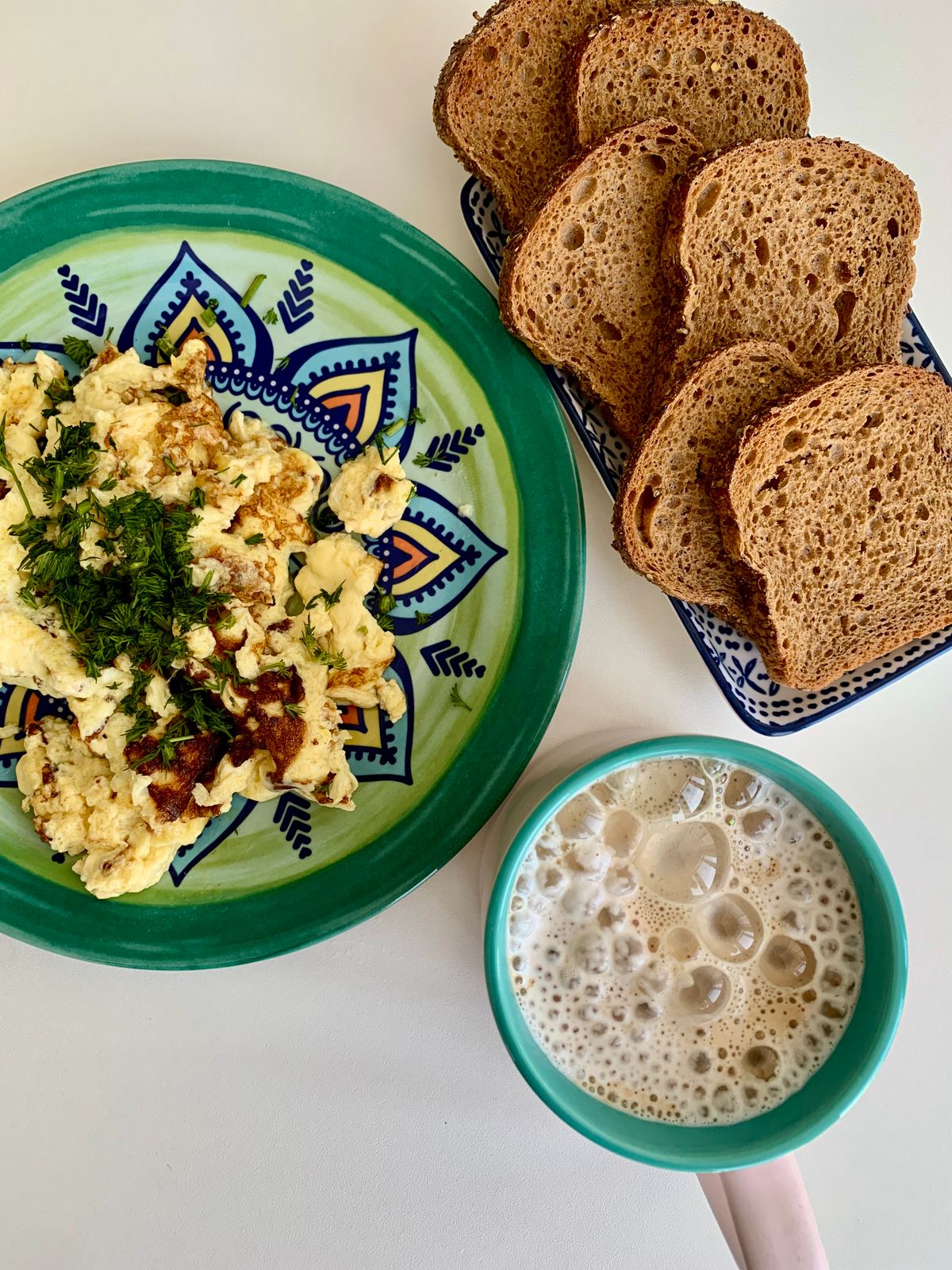
South Asian Anda Bhurji offers a memorable way to begin the day because it brings familiar ingredients together with a clear sense of place. Its appeal lies in the relationship between yogurt, herbs, seeds, seasonal produce and a little good-quality oil. Rather than relying on complicated presentation, the dish builds character through aroma, texture and thoughtful balance. In a breakfast culture where people often want comfort as well as freshness, it can feel both deeply traditional and entirely suited to a modern table.
The Character and Origins of Anda Bhurji
The food tradition surrounding anda bhurji is best understood through the daily life of south asian kitchens. A regional breakfast often makes sense when viewed as part of a wider food culture. Its flavours echo lunch and dinner dishes, while its portions and accompaniments are adjusted for the first meal of the day. This background helps explain why the dish feels at home at breakfast: its ingredients are familiar, its flavour is recognisable and its preparation suits a table where people may be eating together before work, school or travel.
In its most appealing form, south asian anda bhurji balances comfort with a sense of freshness. The main ingredients establish the identity, while herbs, seasonings and accompaniments add regional detail. Households may disagree about the exact level of spice, richness or acidity, but those differences are part of a living food culture rather than evidence that one version is the only authentic one. That flexibility is one reason the dish continues to be enjoyed.
Why Anda Bhurji Tastes So Distinctive
The flavour profile is shaped by the contrast between yogurt, herbs, seeds, seasonal produce and a little good-quality oil. The result can be described as cool, tangy, crisp, herbal and refreshing, but that description only hints at the experience. A fragrant ingredient may be noticeable first, followed by a savoury or creamy centre and then a clean finish from herbs or citrus. These layers give the dish depth without making it feel unnecessarily elaborate. This is one of the qualities that gives south asian anda bhurji its distinctive place at the breakfast table. The familiar balance of ingredients is central to the appeal of south asian anda bhurji. Seen in its wider food culture, south asian anda bhurji is as much about texture and sharing as it is about flavour. These details help explain why south asian anda bhurji continues to feel relevant in contemporary kitchens. The result keeps south asian anda bhurji recognisable while leaving room for seasonal and household preferences.
Good seasoning is less about adding more and more ingredients than about allowing each one to be understood. Salt can sharpen the natural sweetness of vegetables, acidity can balance richness, and a modest amount of fat can carry aromas. The aroma of spices is released by warmth, but delicate herbs are often more expressive when added near the end. Treating each aromatic ingredient according to its nature creates a layered result rather than a flat, overly cooked flavour. This is why restraint often produces a more convincing breakfast than an overloaded combination of flavours.
Ingredients, Texture and Cooking Character
The ingredient list for south asian anda bhurji reflects what the dish is meant to feel like. Yogurt, herbs, seeds, seasonal produce and a little good-quality oil can create a meal that is cool, tangy, crisp, herbal and refreshing. Freshness matters, but so does the condition of pantry ingredients: grains should smell clean, spices should retain their aroma, and vegetables should be selected for flavour rather than appearance alone. The quality of a few central ingredients is more important than a long list of additions.
Texture is the quiet measure of success. A grain-based dish should feel tender rather than gluey; a bread-based one should retain enough structure to hold its topping; and an egg-centred preparation should not become rubbery. Texture begins with moisture management. Too much liquid can make a grain dish heavy or a fritter fragile, while an overly dry mixture can turn dense. Ingredients should be allowed to contribute their own moisture gradually, and the final texture should remain tender rather than stiff. These principles explain the dish's appeal without turning the article into a mechanical cooking procedure.
A Balanced Place for Anda Bhurji at Breakfast
Breakfast is personal, and the way people enjoy anda bhurji will depend on appetite, activity, culture and dietary needs. People who avoid dairy, gluten, eggs or particular legumes can adapt the meal, but substitutions should preserve the role of the original ingredient. A creamy element, a binder or a source of savoury depth may need a different replacement to keep the texture satisfying. The ingredients can contribute useful variety to a morning meal, but a single recipe should not be presented as a cure, a guaranteed weight-loss method or a complete answer to every nutritional need.
The broader pattern matters more than a fashionable label. Some people prefer a smaller portion with fruit; others enjoy a substantial plate with vegetables or an additional source of protein. The nutritional character depends on the ingredients and serving size. Whole grains and pulses can contribute fibre, eggs and dairy can provide protein, while fruit and vegetables bring colour, fluid and a range of micronutrients. No single breakfast is automatically ideal for every person. This flexible approach keeps the dish enjoyable and makes it easier to fit into an everyday routine without exaggerating its health benefits.
Serving Traditions and Thoughtful Variations
The serving style can highlight the best qualities of anda bhurji. For a relaxed table, place accompaniments in small bowls and let everyone choose. This approach respects the communal spirit of many breakfast traditions and makes it easier to accommodate different preferences without changing the central dish. A small fresh accompaniment often does more for the meal than an elaborate garnish, because it lets the central flavours remain clear while adding colour and contrast.
Variations are most successful when they respect the dish's original character. A lighter table can include extra vegetables and a smaller amount of richer toppings. A more substantial brunch can add eggs, yogurt, fish or another protein that fits the food tradition and the needs of the diners. The point is not to make every version identical; it is to understand which features give the dish its identity and which details can change with season, availability or personal preference.
Conclusion
South Asian Anda Bhurji deserves a place in the wider conversation about breakfast because it combines culinary identity with everyday pleasure. Its defining ingredients, cool, tangy, crisp, herbal and refreshing character and connection to south asian food culture make it more than a passing food trend. Whether enjoyed in a traditional setting or adapted to a contemporary table, it reminds us that a satisfying morning meal can be simple, generous and full of meaning.
Further Reading
Explore these related Taste Foodio breakfast guides: Global Breakfast Trends 2026. Protein-Packed Breakfasts 2026. Best Savory Breakfast Bowls 2026.


