

Latin American Cuban Tortilla de Papa: 7 Wonderful Breakfast Ideas and Flavours
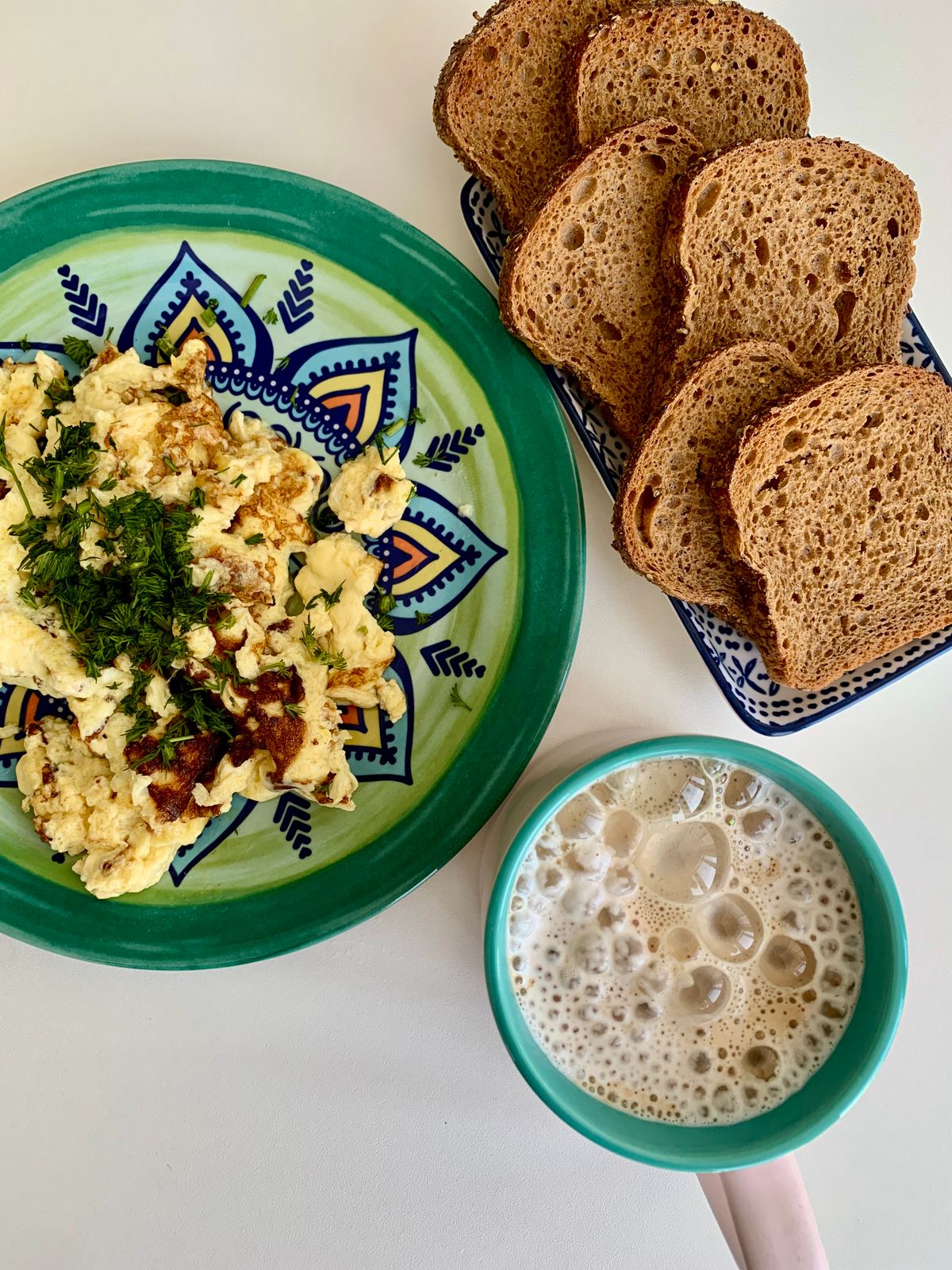
There is something distinctive about latin american cuban tortilla de papa: it feels connected to its culinary home while remaining easy to appreciate far beyond it. The combination of fruit, oats or quinoa, nuts, seeds and a lightly spiced dairy or plant base creates a breakfast with a recognisable personality. Its appeal is not simply convenience. The dish carries a sense of hospitality, a particular way of seasoning food and an understanding of how texture can make the first meal of the day feel satisfying.
The Character and Origins of Cuban Tortilla de Papa
The food tradition surrounding cuban tortilla de papa is best understood through the daily life of latin american kitchens. The pleasure of this food is not only its flavour. Its texture, aroma and way of being shared can make an ordinary morning feel connected to a place and its culinary memory. This background helps explain why the dish feels at home at breakfast: its ingredients are familiar, its flavour is recognisable and its preparation suits a table where people may be eating together before work, school or travel.
In its most appealing form, latin american cuban tortilla de papa balances comfort with a sense of freshness. The main ingredients establish the identity, while herbs, seasonings and accompaniments add regional detail. Households may disagree about the exact level of spice, richness or acidity, but those differences are part of a living food culture rather than evidence that one version is the only authentic one. That flexibility is one reason the dish continues to be enjoyed.
Why Cuban Tortilla de Papa Tastes So Distinctive
The flavour profile is shaped by the contrast between fruit, oats or quinoa, nuts, seeds and a lightly spiced dairy or plant base. The result can be described as tender, wholesome, fragrant and gently sweet, but that description only hints at the experience. A fragrant ingredient may be noticeable first, followed by a savoury or creamy centre and then a clean finish from herbs or citrus. These layers give the dish depth without making it feel unnecessarily elaborate. This is one of the qualities that gives latin american cuban tortilla de papa its distinctive place at the breakfast table. The familiar balance of ingredients is central to the appeal of latin american cuban tortilla de papa. Seen in its wider food culture, latin american cuban tortilla de papa is as much about texture and sharing as it is about flavour. These details help explain why latin american cuban tortilla de papa continues to feel relevant in contemporary kitchens. The result keeps latin american cuban tortilla de papa recognisable while leaving room for seasonal and household preferences.
Good seasoning is less about adding more and more ingredients than about allowing each one to be understood. Salt can sharpen the natural sweetness of vegetables, acidity can balance richness, and a modest amount of fat can carry aromas. Texture begins with moisture management. Too much liquid can make a grain dish heavy or a fritter fragile, while an overly dry mixture can turn dense. Ingredients should be allowed to contribute their own moisture gradually, and the final texture should remain tender rather than stiff. This is why restraint often produces a more convincing breakfast than an overloaded combination of flavours.
Ingredients, Texture and Cooking Character
The ingredient list for latin american cuban tortilla de papa reflects what the dish is meant to feel like. Fruit, oats or quinoa, nuts, seeds and a lightly spiced dairy or plant base can create a meal that is tender, wholesome, fragrant and gently sweet. Freshness matters, but so does the condition of pantry ingredients: grains should smell clean, spices should retain their aroma, and vegetables should be selected for flavour rather than appearance alone. The quality of a few central ingredients is more important than a long list of additions.
Texture is the quiet measure of success. A grain-based dish should feel tender rather than gluey; a bread-based one should retain enough structure to hold its topping; and an egg-centred preparation should not become rubbery. Heat changes the character of each ingredient. Gentle cooking softens onions and greens, moderate heat encourages browning, and a short finishing period protects delicate herbs. A pan that is excessively hot can colour the outside before the centre has developed the intended texture. These principles explain the dish's appeal without turning the article into a mechanical cooking procedure.
A Balanced Place for Cuban Tortilla de Papa at Breakfast
Breakfast is personal, and the way people enjoy cuban tortilla de papa will depend on appetite, activity, culture and dietary needs. The best portion is one that fits appetite, activity and the rest of the day. Food values vary by ingredient brand and quantity, so broad nutrition descriptions are more reliable than invented exact calorie or protein claims. The ingredients can contribute useful variety to a morning meal, but a single recipe should not be presented as a cure, a guaranteed weight-loss method or a complete answer to every nutritional need.
The broader pattern matters more than a fashionable label. Some people prefer a smaller portion with fruit; others enjoy a substantial plate with vegetables or an additional source of protein. A satisfying plate often combines more than one food group. Pairing a grain with protein and produce can make a meal feel complete, while nuts, seeds or olive oil add flavour and staying power. Personal needs, allergies and medical advice should always guide individual choices. This flexible approach keeps the dish enjoyable and makes it easier to fit into an everyday routine without exaggerating its health benefits.
Serving Traditions and Thoughtful Variations
The serving style can highlight the best qualities of cuban tortilla de papa. Leftovers should be cooled promptly and refrigerated in a covered container. Reheat only what is needed, and use sensible food-safety practices for eggs, meat, fish and dairy. Crisp elements may need refreshing separately to recover their texture. A small fresh accompaniment often does more for the meal than an elaborate garnish, because it lets the central flavours remain clear while adding colour and contrast.
Variations are most successful when they respect the dish's original character. For guests with different preferences, keep spicy condiments, herbs and salty toppings on the side. The main dish can remain balanced while each person adjusts the final flavour at the table. The point is not to make every version identical; it is to understand which features give the dish its identity and which details can change with season, availability or personal preference.
Conclusion
Latin American Cuban Tortilla De Papa deserves a place in the wider conversation about breakfast because it combines culinary identity with everyday pleasure. Its defining ingredients, tender, wholesome, fragrant and gently sweet character and connection to latin american food culture make it more than a passing food trend. Whether enjoyed in a traditional setting or adapted to a contemporary table, it reminds us that a satisfying morning meal can be simple, generous and full of meaning.
Further Reading
Explore these related Taste Foodio breakfast guides: Global Breakfast Trends 2026. Protein-Packed Breakfasts 2026. Best Savory Breakfast Bowls 2026.


