

6 Best Traditional Italian Pizza Styles to Explore
Exploring the 6 best traditional Italian pizza styles is akin to taking a delicious tour through the country's diverse culinary landscape. Pizza is arguably Italy's most famous export, a dish that has conquered the world. Yet, what many people outside of Italy know as "pizza" is often a far cry from the authentic regional variations found across the peninsula. In Italy, pizza is not just a uniform product; it is a highly localized art form with distinct rules regarding dough hydration, fermentation time, oven temperature, and toppings. From the floppy, charred crust of Naples to the thick, airy slices of Rome, understanding these styles is essential for any true pizza enthusiast.
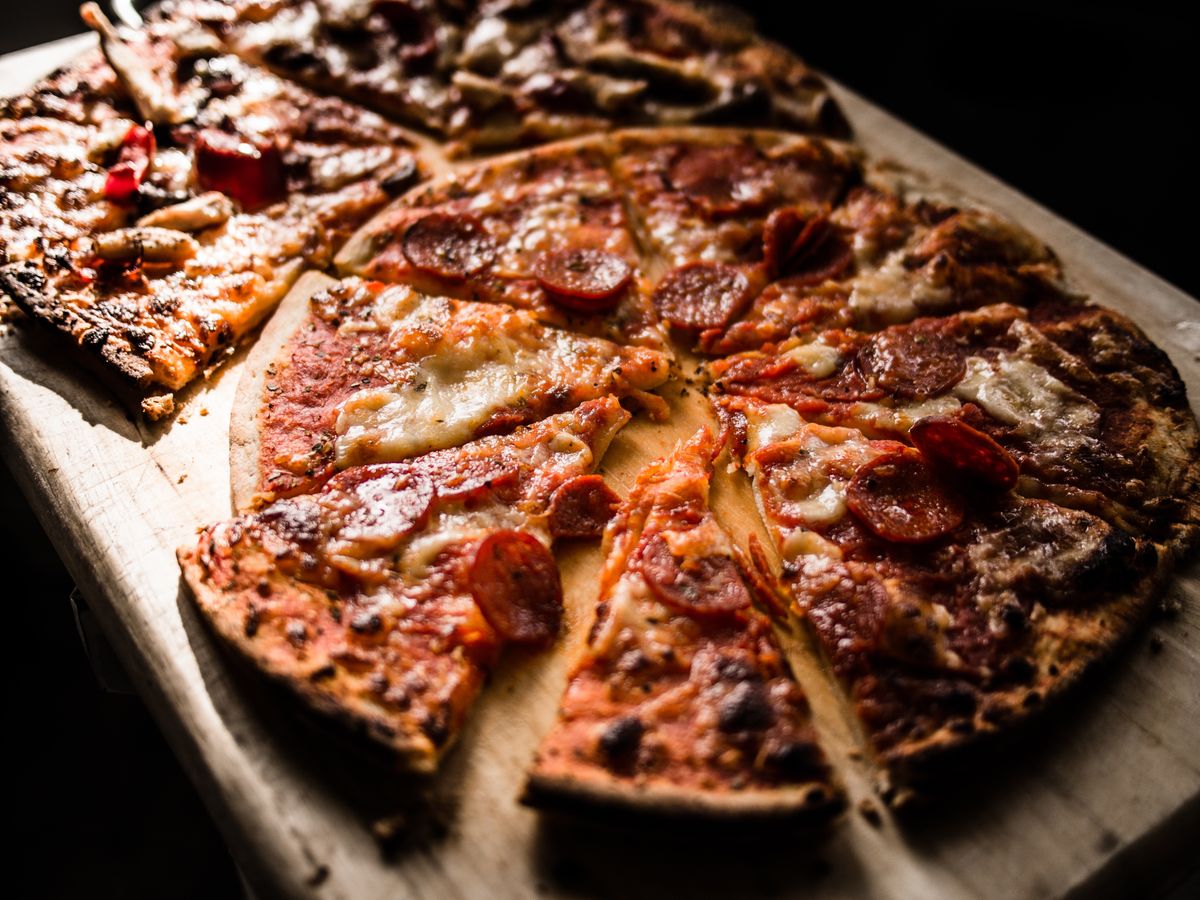
The Rich History of Traditional Italian Pizza Styles
The history of pizza is a story of evolution, moving from the flatbreads of antiquity to the modern masterpiece we know today. The dish as we recognize it originated in Naples in the 18th or early 19th century, initially as a cheap, nutritious street food for the working class. It was the invention of the modern pizza Margherita—supposedly created to honor Queen Margherita of Savoy with the colors of the Italian flag (tomato, mozzarella, and basil)—that elevated the dish to national prominence.
According to culinary experts at Serious Eats, the key to authentic pizza lies in the fermentation of the dough. A proper Italian pizza dough undergoes a long, slow fermentation process, allowing the yeast to develop complex flavors and making the dough easier to digest. This process, combined with high heat, is what gives Italian pizza its distinct, irreplaceable character.
Neapolitan Pizza and the Magic of the Wood-Fired Oven
The Neapolitan pizza (Pizza Napoletana) is the gold standard, protected by strict guidelines (the STG designation). It is characterized by its soft, pliable crust, which is thick at the edges (the 'cornicione') and thin in the center. The dough is made with highly refined '00' flour, water, sea salt, and yeast, and is traditionally baked in a wood-fired dome oven at a blistering 485°C (905°F).
The intense heat cooks the pizza in roughly 60 to 90 seconds, resulting in a crust that is slightly charred (known as 'leopard spots') and incredibly airy. The toppings are usually kept minimal—San Marzano tomatoes, fresh mozzarella (or fior di latte), fresh basil, and a drizzle of extra virgin olive oil. The result is a wet, soupy center that requires a knife and fork to eat properly.
Roman Pizza and the Art of the Crispy Crust
Moving north to Rome, the pizza styles diverge significantly. Roman pizza (Pizza Romana) is known for its incredibly thin, crispy, and almost cracker-like crust. Unlike its Neapolitan cousin, which is cooked quickly at high heat, Roman pizza is often baked at a slightly lower temperature for a longer time, allowing the dough to dry out and become exceptionally crunchy.
There is also a popular variation known as Pizza al Taglio (pizza by the slice), which is baked in large rectangular pans with a thick, focaccia-like base. This style is highly practical for street food, as it is cut with scissors and sold by weight. If you enjoy the convenience of portable, satisfying snacks, the portability of Pizza al Taglio shares a similar spirit with the ideas found in our vibrant Pakistani street food snacks guide.
Exploring Regional Doughs and Hydration Levels
The secret to the best traditional Italian pizza styles is the hydration level of the dough—the ratio of water to flour. Neapolitan dough typically has a hydration of around 60-65%, which makes it sticky and somewhat challenging to work with, but yields a delightfully soft crust. Roman dough might be slightly lower in hydration to achieve that signature snap.
Flour choice is equally critical. Italian '00' flour is finely milled and has a high protein content, which is excellent for creating a strong gluten network. Some bakers blend '00' flour with a small amount of semolina to add a slight crunch and a golden hue to the crust. Mastering these variables takes time, but it is the only way to truly replicate the authentic texture of Italian pizza at home.
The Eternal Debate: Quality of Toppings vs. Technique
In Italy, there is a saying that a great pizza is 80% dough and 20% toppings. The emphasis is always on the crust. However, the toppings must be of the highest quality. Canned tomatoes must be crushed by hand, never cooked beforehand. Cheeses must be fresh and creamy, and cured meats like prosciutto or spicy salami must be sliced paper-thin.
Less is always more when it comes to pizza. You will rarely find a traditional Italian pizza piled high with a dozen ingredients. A classic Marinara relies only on tomato, garlic, oregano, and olive oil. This minimalist approach is a philosophy shared across many great cuisines, including the foundational recipes in our best authentic Italian pasta recipes, where restraint is the ultimate mark of a skilled cook.
Final Thoughts
Understanding the best traditional Italian pizza styles is a testament to the rich, regional diversity of Italian cuisine. It is a reminder that pizza is not a fast-food invention, but a centuries-old craft that requires patience, precision, and the finest ingredients. Whether you prefer the blistered, chewy crust of a Neapolitan pie or the crispy, crunchy texture of a Roman slice, the journey to mastering these styles is an incredibly rewarding one. Fire up the oven, prepare your dough, and discover the authentic taste of Italy.
For more inspiration on transforming your daily meals, explore the Tasty Foodio homepage.


