

5 Best Low Calorie Breakfast Recipes to Start Your Day Light
Embracing the 5 best low calorie breakfast recipes is one of the most effective strategies for managing your weight and boosting your daily energy levels. Breakfast is universally acknowledged as the most important meal of the day, yet it is also the meal where people most frequently consume empty calories. A typical morning feast of sugary cereals, pastries, or heavy fast-food sandwiches can easily exceed half of your daily caloric needs before you have even started your workday. The goal of a low-calorie breakfast is not to leave you feeling hungry or deprived; rather, it is to provide your body with a satisfying, nutrient-dense foundation that fuels your metabolism without weighing you down. By focusing on high-volume, high-fiber, and protein-rich ingredients, you can enjoy a fulfilling morning meal that aligns perfectly with your health goals.
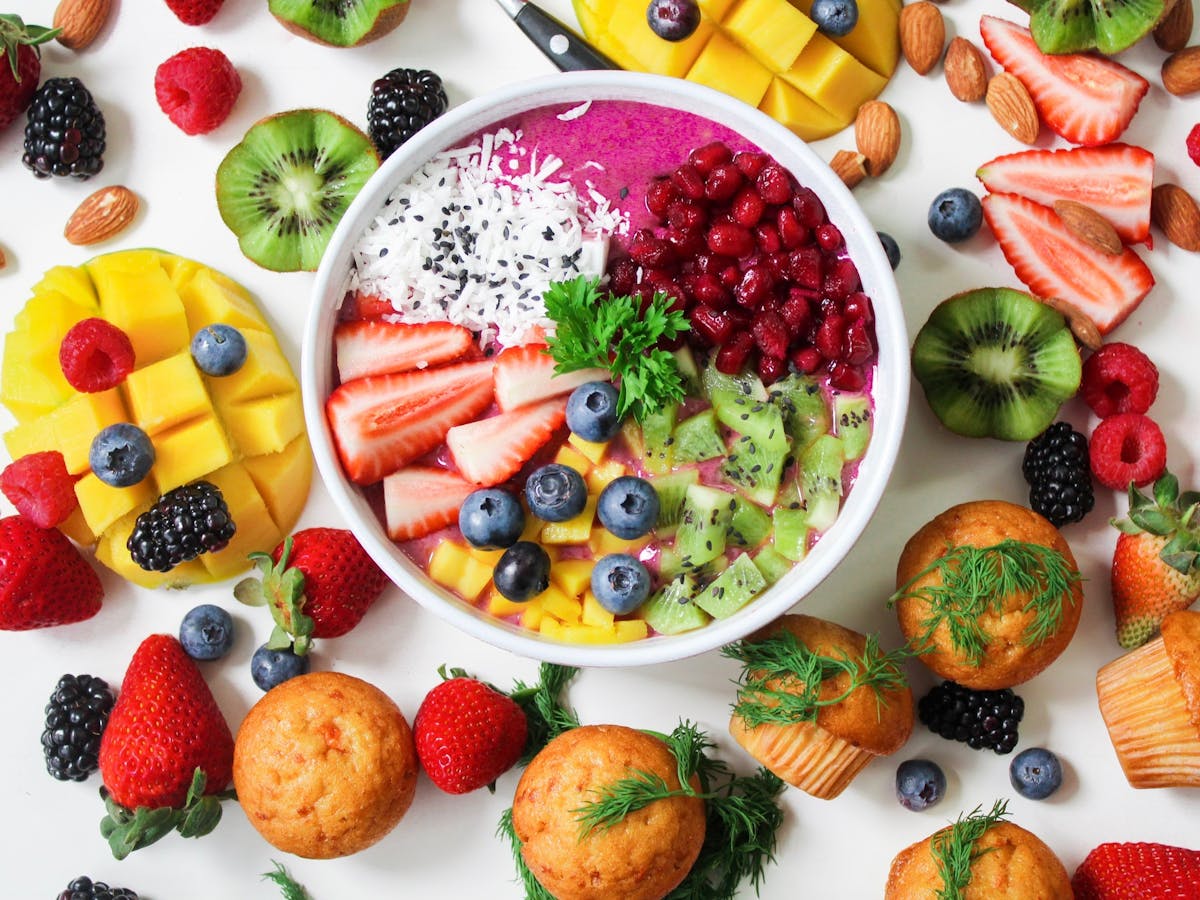
The Philosophy Behind Great Low Calorie Breakfast Recipes
To truly master the best low calorie breakfast recipes, one must understand the concept of caloric density. Caloric density refers to the number of calories in a given weight of food. Foods like nuts, oils, and processed carbohydrates are highly calorie-dense, meaning a small portion packs a heavy caloric punch. Conversely, foods like vegetables, fruits, and lean proteins are low in caloric density, allowing you to eat a larger, more satisfying volume of food for fewer calories.
According to nutrition guidelines from the Centers for Disease Control and Prevention (CDC), achieving and maintaining a healthy weight is largely about balancing the calories you consume with the calories you burn. A low-calorie breakfast helps set the tone for this balance. By filling your plate with low-density foods, you trigger the stretch receptors in your stomach, signaling to your brain that you are full, even though you have consumed fewer calories overall.
Volume Eating: The Key to Feeling Full
Volume eating is a powerful technique utilized in the best low calorie breakfast recipes. It involves bulking up your meals with water-rich, fibrous foods that add bulk without adding many calories. For example, incorporating a generous handful of fresh spinach into a morning omelet or blending a cup of frozen berries into a smoothie significantly increases the portion size of your meal while keeping the calorie count minimal.
Eggs are an excellent staple for volume eating. A single large egg contains only about 70 calories but provides high-quality protein. By pairing one whole egg with several egg whites, you create a massive, fluffy scramble that is incredibly filling. Adding chopped mushrooms, bell peppers, and onions further increases the volume and delivers a wide array of vitamins and minerals. The key is to use a non-stick pan and a light cooking spray or a minimal amount of olive oil to keep the fat content—and the calories—in check.
Protein and Fiber: The Dynamic Duo
The secret to a low-calorie breakfast that actually keeps you full until lunch lies in the combination of protein and fiber. Protein takes longer to digest and has a high thermic effect, meaning your body burns more calories processing it. Fiber, particularly soluble fiber, slows down digestion and helps regulate blood sugar levels, preventing the mid-morning crash that leads to snacking.
Greek yogurt is a standout ingredient in this regard. It is significantly higher in protein than regular yogurt and pairs beautifully with high-fiber fruits like raspberries or blackberries. A bowl of plain, non-fat Greek yogurt topped with a handful of berries and a sprinkle of chia seeds is a perfect example of a low-calorie, high-satiety breakfast. Alternatively, rolled oats cooked with water or unsweetened almond milk, topped with cinnamon and diced apples, provide a comforting, fiber-rich start to the day. For more ideas on incorporating natural sweetness without added sugars, explore our guide to best naturally sweetened dessert ideas, which shares the same philosophy.
Smart Swaps for Traditional Favorites
You do not have to give up your favorite morning meals to eat low-calorie; you simply need to make smarter swaps. For instance, if you love pancakes, try making them with mashed bananas, egg whites, and a scoop of oat flour. This swaps out refined white flour and sugar for complex carbs and natural sweetness, drastically reducing the calorie count while increasing the nutritional value.
Another excellent swap is replacing heavy cream in your coffee with unsweetened almond milk or skim milk, saving dozens of calories per cup. Instead of a sugary, fruit-flavored yogurt, choose plain yogurt and add your own fresh fruit. These minor adjustments compound over time, allowing you to enjoy the textures and flavors you love without sabotaging your daily calorie goals. For more quick and healthy meal strategies, our article on best quick healthy recipes offers practical solutions for busy mornings.
The Role of Hydration and Timing
Finally, hydration plays a crucial, often overlooked role in a successful low-calorie morning routine. Often, the human body confuses thirst with hunger. Starting your day with a large glass of water before you eat anything can help curb unnecessary cravings and prepare your digestive system for the meal ahead. Herbal teas, black coffee, and infused water are all excellent, zero-calorie options to keep you hydrated.
Timing is also important. Eating your breakfast within an hour or two of waking up helps kickstart your metabolism and stabilizes your blood sugar. Skipping breakfast often leads to extreme hunger later in the day, which frequently results in overeating at lunch or reaching for high-calorie snacks. A balanced, low-calorie breakfast is your best defense against these pitfalls.
Final Thoughts
Mastering the best low calorie breakfast recipes is a transformative habit that supports both physical health and mental clarity. It requires a shift in focus from calorie restriction to nutrient optimization. By prioritizing volume eating, combining high-quality protein with fiber, and making intelligent ingredient swaps, you can create beautiful, delicious meals that leave you feeling energized and satisfied. Start your day with intention, and you will find that maintaining a healthy lifestyle becomes a natural, enjoyable part of your routine.
To discover more balanced and flavorful meal options, visit the Tasty Foodio homepage.


