

5 Best Keto Dinner Recipes to Master for Sustained Energy
Mastering the 5 best keto dinner recipes is the most effective way to ensure you stay on track with your low-carb lifestyle while genuinely enjoying your evening meals. The ketogenic diet is renowned for its ability to promote weight loss, stabilize blood sugar, and provide a steady, unwavering stream of mental and physical energy. However, transitioning to a high-fat, low-carb way of eating can feel daunting, especially when it comes to dinner. The fear of bland meals or feeling deprived often derails even the most determined individuals. The reality is that keto cooking is incredibly rich and flavorful. By focusing on high-quality proteins, healthy fats, and vibrant, low-starch vegetables, you can create dinners that are not only deeply satisfying but also perfectly aligned with your metabolic goals.
The Nutritional Philosophy Behind Best Keto Dinner Recipes
To truly appreciate the best keto dinner recipes, one must first understand the metabolic state of ketosis. When you drastically reduce your carbohydrate intake and replace it with dietary fat, your body enters a state where it burns fat for fuel instead of glucose. This shift produces ketones, which are an incredibly efficient energy source for the brain and body. According to research from Harvard Health Publishing, this metabolic state can lead to significant reductions in body fat and improved insulin sensitivity.
The challenge, however, is ensuring that your meals are nutritionally complete. A common mistake for beginners is simply removing carbs without increasing healthy fats, leading to fatigue and hunger. The best keto dinner recipes are engineered to provide the necessary macronutrients: moderate protein for muscle maintenance and high fat to sustain energy and keep you feeling full for hours.
Building a Keto Plate with High-Quality Fats
The foundation of any great keto meal is fat. However, not all fats are created equal. The goal is to prioritize healthy, natural fats while avoiding highly processed seed oils. Extra virgin olive oil, avocado oil, coconut oil, grass-fed butter, and ghee are excellent choices for cooking and drizzling. These fats not only provide energy but also help the body absorb fat-soluble vitamins.
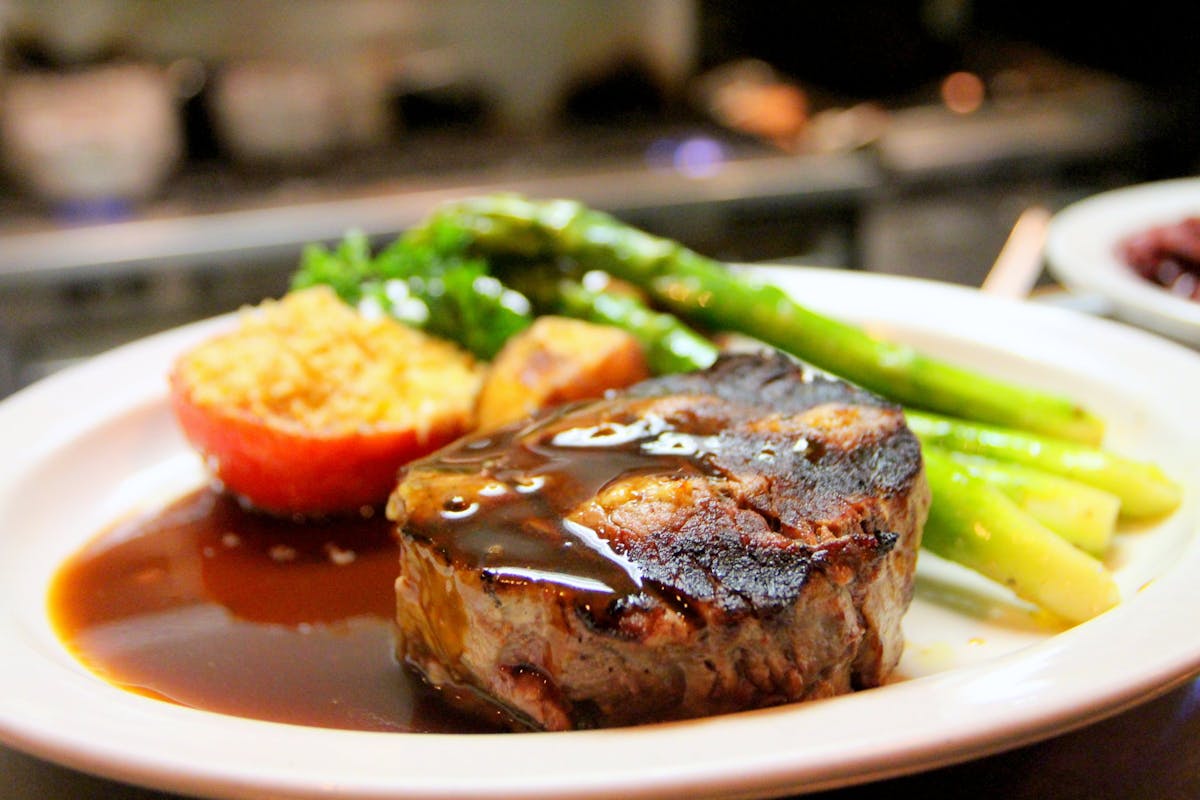
Incorporating these fats into your dinner can be done in various delicious ways. A generous knob of butter melted over a grilled steak, a rich avocado oil-based dressing over a crisp salad, or a creamy sauce made from heavy cream and Parmesan cheese can transform a simple dish into a keto masterpiece. For those who enjoy rich, slow-cooked meals, the techniques used in our guide to best hearty beef stew recipes can be adapted by swapping out starchy potatoes for radishes or cauliflower.
Incorporating Low-Starch Vegetables
A common misconception about the keto diet is that it excludes vegetables. While it is true that high-starch vegetables like potatoes and corn are off the menu, there is a vast array of low-carb vegetables that are not only allowed but encouraged. Leafy greens like spinach, kale, and arugula are incredibly low in carbs and high in fiber and vitamins.
Cruciferous vegetables such as broccoli, cauliflower, Brussels sprouts, and cabbage are also keto staples. They add bulk and texture to your meals without spiking your blood sugar. Cauliflower, in particular, is incredibly versatile; it can be riced to mimic grains, mashed to replace potatoes, or roasted as a hearty side dish. Zucchini is another excellent option, often spiralized to create "zoodles" that serve as a perfect base for rich, meaty sauces. If you are looking for ways to maximize the flavor of these vegetables, our article on best roasted vegetable techniques will prove invaluable.
Protein Sources for Keto Cooking
Protein is the second pillar of a successful keto dinner. It is essential for preserving lean muscle mass and keeping hunger at bay. However, on a keto diet, protein intake should be moderate, not excessively high, as too much protein can be converted into glucose through a process called gluconeogenesis, potentially knocking you out of ketosis.
The best protein sources for keto are those that are naturally high in fat. Fatty cuts of meat like ribeye steak, lamb chops, and pork belly are excellent choices. Poultry, especially dark meat with the skin on, is also ideal. Seafood is another fantastic option; fatty fish like salmon, mackerel, and sardines are rich in Omega-3 fatty acids and high-quality protein. Eggs and full-fat cheeses are also crucial components of a keto kitchen, serving as both protein sources and flavor enhancers.
Final Thoughts
Mastering the best keto dinner recipes is about shifting your perspective on what a satisfying meal looks like. It is not about deprivation; it is about abundance—abundance of flavor, healthy fats, and nutrient-dense ingredients. By focusing on high-quality proteins, incorporating a variety of low-starch vegetables, and embracing healthy fats, you can create dinners that fuel your body, satisfy your palate, and support your keto journey. Experiment with different cuts of meat and cooking methods, and you will quickly discover that keto eating is a sustainable and delicious way of life.
To discover more balanced and flavorful meal options, visit the Tasty Foodio homepage.


