

Gluten-Free Baking Recipes: 5 Best Secrets for Unforgettable Flavor
Mastering the 5 best gluten-free baking recipes is an incredibly rewarding journey that opens up a world of delicious possibilities for anyone with celiac disease, gluten sensitivity, or those simply choosing a wheat-free lifestyle. For many, the thought of baking without traditional wheat flour is intimidating. Gluten is the protein that provides structure, elasticity, and that beloved chewy texture to breads and pastries. When you remove it, the chemistry of baking changes entirely. However, the belief that gluten-free baked goods are inherently dry, crumbly, or flavorless is a myth. With the right techniques, a deep understanding of alternative flours, and a little bit of patience, you can create baked treats that are just as moist, decadent, and satisfying as their traditional counterparts.
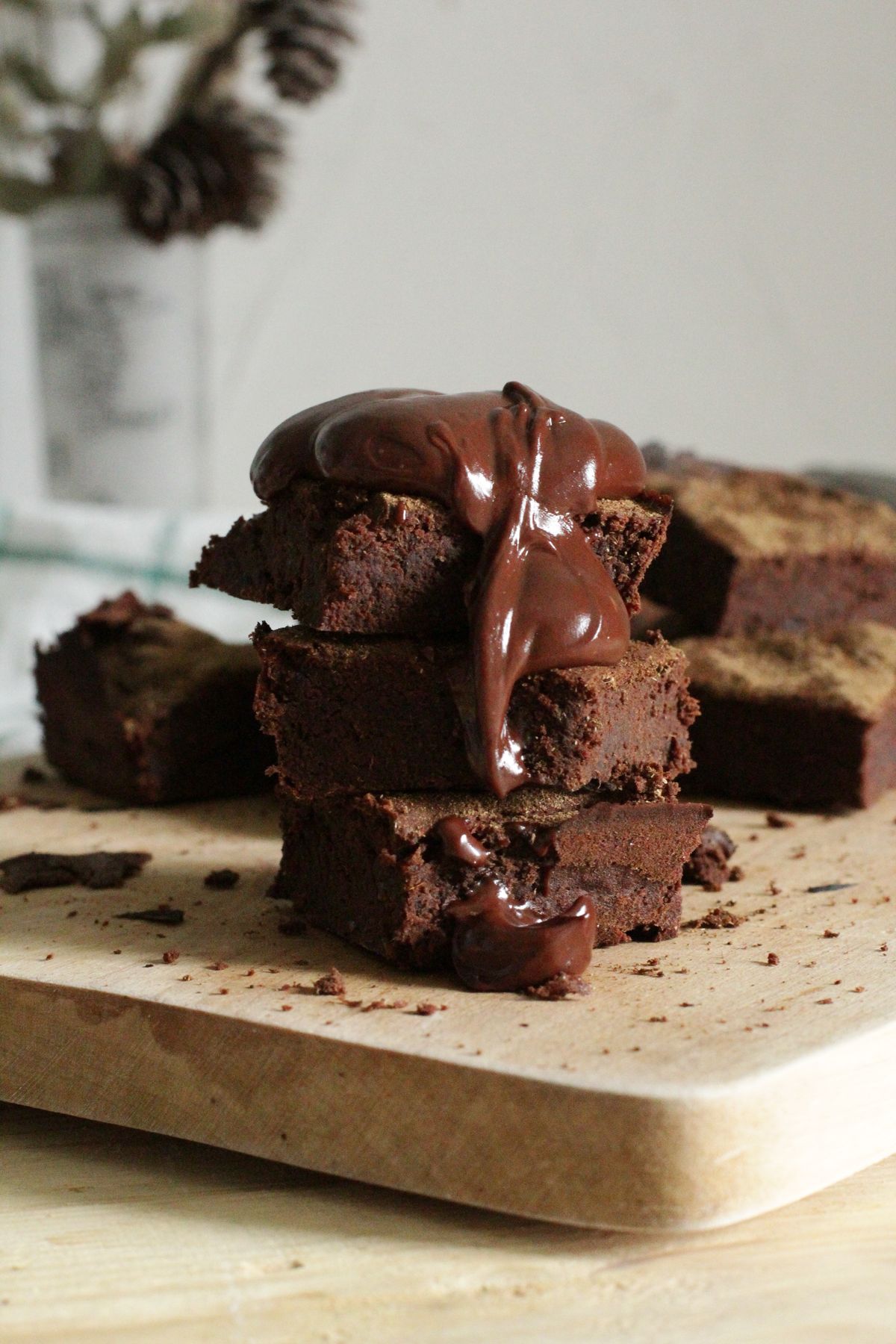
The Science of Best Gluten-Free Baking Recipes
To truly understand the best gluten-free baking recipes, one must first grasp the science of what happens when you remove gluten. According to experts at the Celiac Disease Foundation, gluten acts as the "glue" that holds baked goods together. Without it, you need to introduce alternative binding agents to prevent your cakes from crumbling and your bread from failing to rise. This is where ingredients like xanthan gum or psyllium husk come into play. These binders mimic the elasticity of gluten, providing the structure necessary for a successful bake.
Furthermore, gluten-free flours absorb liquid differently than wheat flour. They often require more hydration and a slightly different resting period before baking to allow the flours to fully absorb the moisture. Mastering these nuances is the first step toward consistently excellent results in the kitchen.
Mastering the Art of Alternative Flours
The foundation of any great gluten-free baking endeavor lies in the flour blend. Unlike wheat flour, which is a single ingredient, gluten-free baking usually relies on a combination of different flours to achieve the right texture and flavor. Rice flour, both white and brown, provides a neutral base. Almond flour adds richness, moisture, and a slightly nutty flavor. Coconut flour is highly absorbent and requires a lot of eggs to prevent dryness, but it adds a wonderful tenderness.
Tapioca starch and potato starch are often added to blends to lighten the texture and improve the crumb. For the best results, it is highly recommended to use a pre-mixed gluten-free all-purpose flour blend that already contains a binder, or to create your own custom blend. This ensures a balanced ratio of proteins, starches, and binders, which is essential for everything from sandwich bread to delicate cookies. If you are exploring naturally sweet treats, the concepts in our guide to best naturally sweetened dessert ideas share a similar focus on mindful ingredient substitution.
The Role of Binders in Gluten-Free Baking Recipes
As mentioned, binders are non-negotiable in most gluten-free baking. Xanthan gum is the most common choice. It is a powerful thickener and stabilizer that adds volume and prevents crumbling. A general rule of thumb is to use about 1/4 teaspoon of xanthan gum per cup of gluten-free flour for cakes and cookies, and slightly more for breads. Psyllium husk is another excellent option, particularly for bread recipes, as it creates a gel-like substance that mimics the elasticity of gluten beautifully.
Eggs are also nature's perfect binder. In many recipes, increasing the number of eggs can help compensate for the lack of gluten, though this can alter the flavor and texture. For vegan bakers, flax eggs or chia eggs can be effective substitutes, though they may require some experimentation to get the ratios right. Understanding how these binders interact with your chosen flours is the key to mastering the best gluten-free baking recipes.
Achieving Moisture and Texture
Gluten-free baked goods have a notorious tendency to dry out quickly. To combat this, it is crucial to incorporate ingredients that add and retain moisture. Sour cream, yogurt, applesauce, mashed bananas, and vegetable oils are all excellent additions to gluten-free batters. These ingredients not only keep the final product moist but also add a layer of flavor.
Another secret to achieving the perfect texture is allowing the batter to rest. Gluten-free flours take longer to hydrate than wheat flour. Letting your batter sit for 15 to 30 minutes before baking allows the flours to fully absorb the liquids, resulting in a smoother batter and a better-textured baked good. This simple step can make a significant difference in the final outcome. For those looking to explore more plant-based baking options, our article on best keto-friendly dessert recipes offers great insights into using alternative flours.
Final Thoughts
Embracing the best gluten-free baking recipes is a journey of continuous learning and delicious discovery. While it requires a bit more attention to detail than traditional baking, the results are incredibly rewarding. By understanding the science of alternative flours, utilizing binders correctly, and focusing on moisture retention, you can create baked goods that everyone will love. Whether you are baking a loaf of bread, a batch of cookies, or a celebratory cake, these principles will help you achieve gluten-free success every time.
To discover more balanced and flavorful meal options, visit the Tasty Foodio homepage.


