

7 Best Comforting Chicken Curry Recipes from Around the World
Exploring the 7 best comforting chicken curry recipes is a journey into the heart of global gastronomy. Curry is not a single dish, nor is it a single spice; it is a concept, a broad culinary category that spans continents and cultures, adapting to local ingredients and palates. From the fiery, complex gravies of South Asia to the creamy, aromatic coconut-based curries of Southeast Asia, chicken curry is universally recognized as the ultimate comfort food. It is the kind of meal that warms you from the inside out, filling the kitchen with intoxicating aromas and offering a depth of flavor that is both satisfying and restorative. This article explores the diverse world of chicken curries and highlights the essential elements that make them so beloved worldwide.
Why Comforting Chicken Curry Recipes Unite Cultures
The reason chicken curry resonates so deeply with people across the globe is its incredible adaptability. Chicken is a mild, neutral protein that acts as a perfect sponge for the flavors of the sauce it is cooked in. Unlike beef or lamb, which can sometimes overpower a dish with their own distinct taste, chicken allows the spices and aromatics to truly shine. This is why you can travel from the bustling streets of Delhi to the cozy kitchens of Tokyo, and find vastly different, yet equally delicious, interpretations of chicken curry.
According to culinary historians, the word "curry" likely stems from the Tamil word "kari," meaning sauce or relish. As trade routes expanded, the concept of spiced, stew-like dishes spread, evolving into distinct regional variations. Today, chicken curry is a staple in almost every culture, celebrated for its ability to deliver deep, soul-warming comfort.
The Rich Depth of Indian Butter Chicken
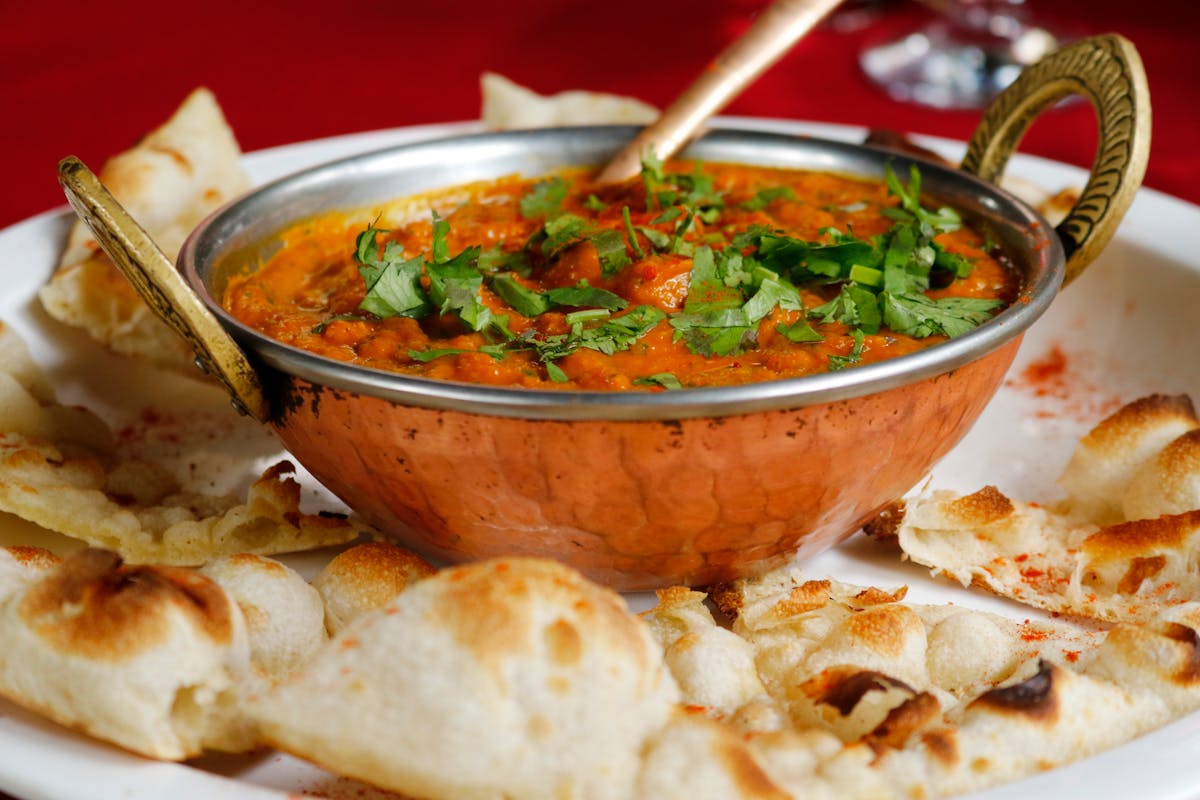
When discussing the best comforting chicken curry recipes, one must begin with Butter Chicken (Murgh Makhani). This iconic North Indian dish is the epitome of indulgence. It features tender chicken, often marinated in yogurt and spices and grilled before being simmered in a rich, velvety tomato and butter sauce. The sauce is typically enriched with cream, cashew paste, and a delicate blend of warm spices like cardamom and fenugreek.
The magic of Butter Chicken lies in its balance. It is mildly spiced, catering to a wide range of palates, yet deeply complex. The acidity of the tomatoes cuts through the richness of the butter and cream, creating a perfectly harmonious dish. It is best enjoyed with a fluffy basmati rice or a warm, buttery naan. For more insights into the foundational techniques of Indian cooking, our guide to best flavorful Indian curry recipes is an essential read.
The Creamy Elegance of Thai Green Curry
Traveling east to Thailand, the flavor profile shifts dramatically. Thai Green Curry (Gaeng Keow Wan) is a vibrant, aromatic dish that relies on a fresh, wet curry paste made from green chilies, lemongrass, galangal, and kaffir lime leaves. The paste is fried in coconut cream until fragrant, then combined with chicken and coconut milk to create a creamy, slightly sweet, and intensely spicy sauce.
What makes Thai Green Curry so comforting is its herbal freshness. The addition of Thai basil and a squeeze of lime juice right before serving brightens the entire dish, preventing the coconut milk from becoming too heavy. It is a curry that feels light yet satisfying, perfect for a weeknight dinner. If you are new to Thai cooking, the techniques explored in our best authentic Thai curry recipes provide a solid foundation for mastering these vibrant pastes.
The Aromatic Spice of Japanese Curry
Japanese Curry (Kare) is a unique and highly comforting variation that has its own distinct identity. Introduced to Japan by the British in the late 19th century, it evolved from an Indian-style stew into a thick, sweet, and mildly spicy dish that is now a national obsession. It is typically made using a roux block, which contains flour, fat, and a blend of spices like turmeric, coriander, and cumin.
Japanese curry is traditionally served with a sticky short-grain rice and often accompanied by pickled radishes (fukujinzuke) to provide a sharp textural contrast. The addition of a grated apple or honey in some recipes highlights the subtle sweetness that defines the Japanese version. It is a curry that feels like a warm hug, perfectly suited for a cozy night in.
Mastering the Balance of Spices and Creaminess
Regardless of the region, the key to any great chicken curry lies in the balance of spices and the texture of the sauce. A common mistake in home cooking is undercooking the spices. The process of blooming or frying the spices in oil or fat is essential to release their essential oils and develop their flavors. If the raw spices are simply boiled in liquid, the resulting curry will taste flat and harsh.
Equally important is the finishing touch. Whether you are using a splash of lime juice, a dollop of yogurt, or a handful of fresh herbs, the final adjustments are what elevate a good curry to a great one. Our guide on best authentic Pakistani chicken karahi recipes offers similar lessons in the importance of slow-cooking and the careful balancing of bold flavors.
Final Thoughts
Savoring the best comforting chicken curry recipes is an exploration of the world's diverse culinary heritage. From the creamy indulgence of India to the herbal heat of Thailand, chicken curry offers a universal language of comfort. By understanding the core techniques of spice blending, sauce building, and flavor balancing, you can confidently create these magnificent dishes in your own kitchen. So, choose your favorite spices, gather your ingredients, and let the comforting aromas of a simmering curry fill your home.
For more inspiration on transforming your daily meals, explore the Tasty Foodio homepage.


