

5 Best Classic Sweet and Sour Pork Recipes to Master at Home
Exploring the vibrant and addictive world of the best classic sweet and sour pork recipes is a delightful journey into one of the most universally loved Chinese takeout dishes. The allure of sweet and sour pork lies in its contrasting textures and flavors: the shatteringly crispy, golden-brown battered pork, the tender crunch of bell peppers and pineapple, and the thick, glossy sauce that perfectly balances tangy vinegar with sweet sugar. While it is easy to order this dish from a local restaurant, the homemade version is vastly superior. By controlling the quality of the ingredients and the cooking techniques, you can avoid the heavy, greasy pitfalls of commercial versions and create a dish that is fresh, vibrant, and deeply satisfying.
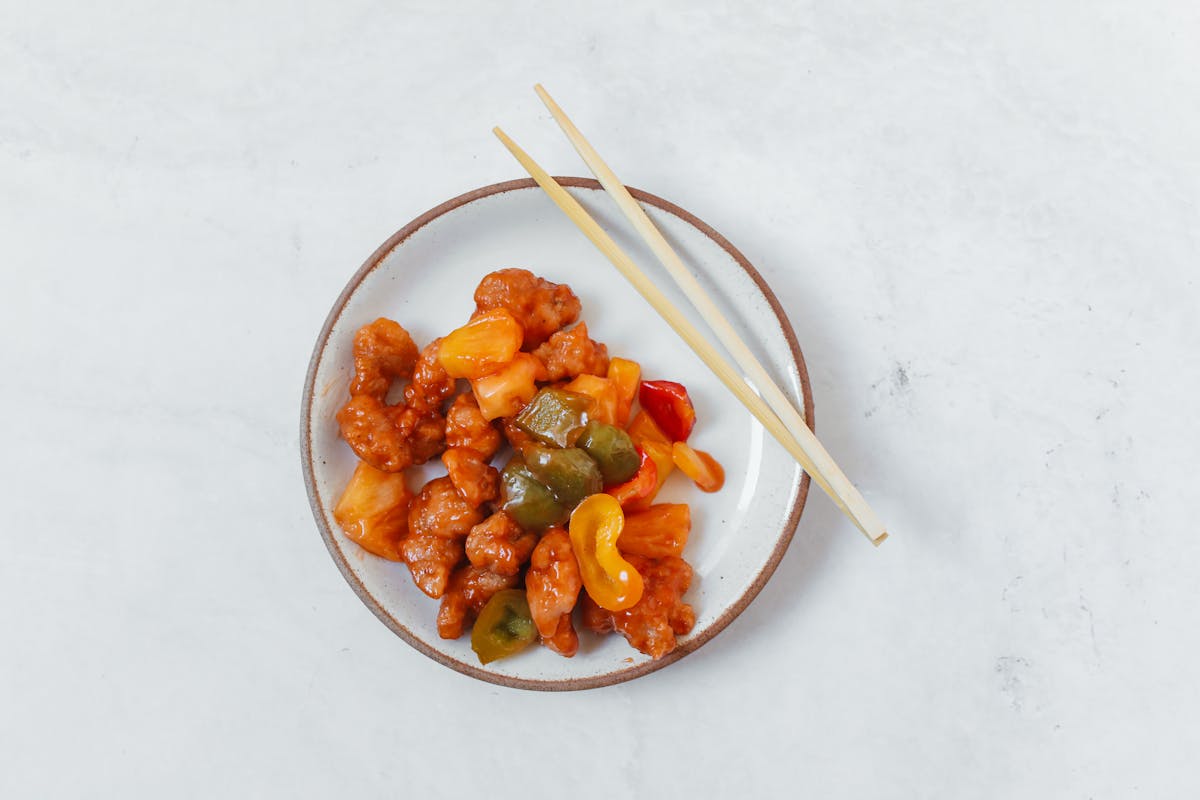
The Philosophy of Classic Sweet and Sour Pork Recipes
To truly master the best classic sweet and sour pork recipes, one must understand the importance of balance. In Cantonese cuisine, this dish is known as 'Gu Lou Yok'. The sauce is not meant to be cloyingly sweet or harshly sour; it should be a harmonious blend of both, often achieved by using a combination of rice vinegar, ketchup, sugar, and sometimes a touch of Worcestershire sauce for umami depth.
According to culinary experts, the secret to a great sweet and sour dish is the 'velveting' and battering process. The pork must be marinated briefly in soy sauce, Shaoxing wine, and cornstarch to tenderize it. Then, it is coated in a specific batter—often a mixture of flour, cornstarch, and water or egg—before being deep-fried twice. This double-frying method ensures maximum crispness.
Choosing the Right Cut of Pork
The foundation of any great sweet and sour pork recipe is the meat. You need a cut that has a good balance of lean meat and fat to ensure it remains juicy after frying. Pork shoulder (Boston butt) or pork tenderloin are excellent choices. The meat should be cut into bite-sized cubes, about one inch thick.
Before cooking, the pork should be patted dry to ensure the marinade and batter adhere properly. The marination process is also crucial for flavor. A mixture of light soy sauce, rice wine, a dash of sesame oil, and a little cornstarch should be massaged into the pork and left to rest for at least 30 minutes. For more pork inspiration, see our guide on best slow cooker dinner recipes.
The Secret to the Crispy Batter
The hallmark of the best classic sweet and sour pork recipes is the batter. It needs to be light, crispy, and capable of holding its crunch even after being tossed in the sauce. A simple and highly effective batter is made by mixing all-purpose flour, cornstarch, and a little baking powder with water until it reaches the consistency of thick cream.
The double-frying technique is non-negotiable. The pork is first fried at a lower temperature (around 325°F) to cook the meat through and set the batter. It is then removed and rested while the oil temperature is increased to 375°F. The pork is returned to the hot oil for a second fry until it is beautifully golden and incredibly crispy. This ensures the exterior is crunchy while the inside remains tender. For more frying techniques, check out our article on best crispy chicken wings.
Making the Perfect Sweet and Sour Sauce
The sauce is the heart of the dish. To achieve that classic, vibrant red-orange color and thick, syrupy consistency, a mixture of ketchup, rice vinegar, sugar, and a touch of soy sauce is used. The sauce is simmered in the wok with garlic and ginger until it thickens, and then a cornstarch slurry is added to give it that glossy sheen.
The timing of adding the crispy pork to the sauce is critical. It should be done at the very last minute, just before serving. The pork is tossed quickly in the hot sauce to coat it evenly, ensuring it retains its crunch when it reaches the table. Adding the vegetables—like bell peppers, onions, and pineapple chunks—just before the pork allows them to retain their crisp texture.
Final Thoughts
Mastering the best classic sweet and sour pork recipes is a rewarding culinary experience that brings a taste of your favorite restaurant right into your own kitchen. By focusing on high-quality ingredients, mastering the double-fry technique, and balancing the sweet and sour sauce perfectly, you can create a dish that is as delicious as it is impressive. Serve it with steamed jasmine rice for a complete and satisfying meal.
For more inspiration on transforming your daily meals, visit the Tasty Foodio homepage.


