

5 Best Authentic Pakistani Chicken Karahi Recipes to Master
Exploring the 5 best authentic Pakistani chicken karahi recipes is akin to discovering the very soul of Pakistani cuisine. Karahi is not merely a dish; it is a cultural phenomenon, a staple at family gatherings, roadside dhabas, and upscale restaurants alike. Named after the heavy, wok-like vessel in which it is cooked, this dish is a celebration of bold flavors, fresh ingredients, and the sheer joy of communal eating. Unlike many curries that rely on a heavy onion and yogurt base, an authentic Pakistani chicken karahi lets the natural juices of the chicken and the vibrant acidity of tomatoes take center stage. It is a dish that demands attention, requiring a watchful eye and a willingness to let the ingredients caramelize and intensify in flavor.
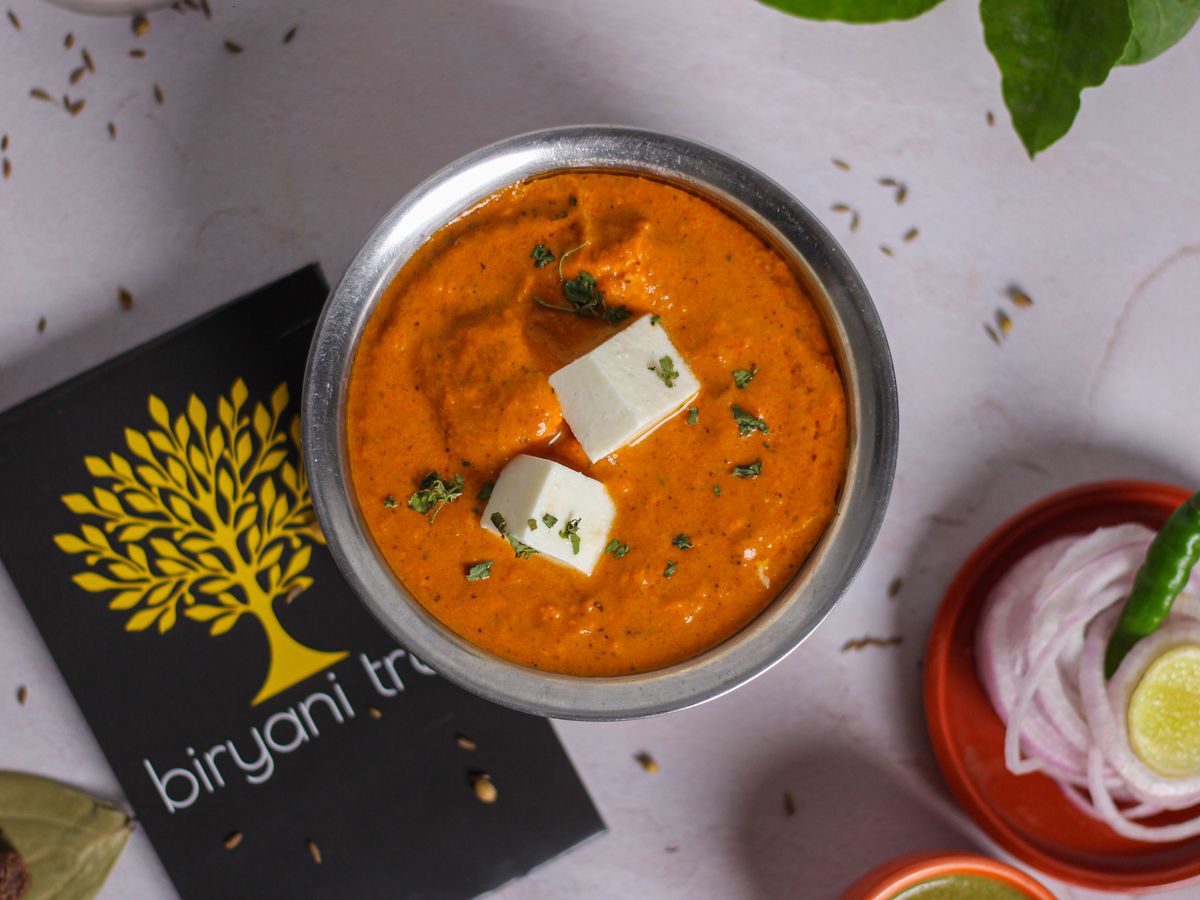
The Cultural Significance of Authentic Pakistani Chicken Karahi Recipes
To understand why the quest for the best authentic Pakistani chicken karahi recipes is so important, one must look at the cultural context of the meal. In Pakistan, hospitality is paramount, and serving a sizzling karahi is a gesture of immense respect and warmth. It is typically brought to the table still bubbling, a visual and aromatic spectacle that invites everyone to dig in. The dish transcends class boundaries; it is enjoyed by laborers after a long day of work and by families celebrating milestones.
According to historical accounts of South Asian cuisine, the karahi originated in the Pashtun regions and gradually spread across the Indian subcontinent. The Pakistani iteration is distinct, often featuring a fiery kick from green chilies, a generous garnish of julienned ginger, and a final flourish of freshly chopped coriander. It is a dish designed for sharing, traditionally eaten with freshly baked naan bread or roti, using the right hand to scoop up the rich, thick gravy.
The Secret of the Tomatoes and Ginger
When deconstructing authentic Pakistani chicken karahi recipes, the relationship between tomatoes and ginger is the most critical element. The tomatoes must be ripe, fresh, and preferably blended or finely chopped to create a smooth, rich base. As the chicken cooks, the tomatoes break down, releasing their juices and creating a natural gravy that clings to the meat. The ginger, added in varying stages of cooking—sometimes as a paste for depth, and always as fine julienne for a sharp, refreshing bite at the end—cuts through the richness of the dish.
The technique requires patience. One must allow the tomatoes to cook down completely until the oil separates from the gravy, a process known in South Asian cooking as 'bhunai'. This step is crucial for developing the intense, concentrated flavor that defines a great karahi. If you rush this stage, the dish will taste raw and watery. If you want to explore more intense and traditional cooking methods, our guide on quick dinner ideas touches upon the importance of building a solid flavor base, even when time is short.
Balancing Spices for Perfect Heat and Aroma
Another defining feature of the best authentic Pakistani chicken karahi recipes is the spice profile. Unlike generic curries, karahi does not use a heavy hand with turmeric or red chili powder. Instead, it relies on the aromatic warmth of black pepper, cumin, and coriander seeds, often freshly crushed. The heat comes from whole green chilies, which are slit and cooked alongside the chicken, infusing the oil with their bright, grassy spice.
The finishing touches are what elevate the dish from good to extraordinary. A sprinkle of garam masala right at the end, just before the dish is taken off the heat, releases a fragrant burst of spices. The addition of fresh, hand-torn coriander leaves and julienned ginger provides a fresh, textural contrast to the rich meat. This balance of heat, aroma, and freshness is the hallmark of a masterfully prepared karahi.
The Art of the Tawa and Iron Wok
The vessel in which you cook your karahi matters immensely. While a non-stick pan is convenient, traditional recipes call for a heavy-bottomed iron wok or a flat cast-iron griddle (tawa). Iron distributes heat evenly and retains it, allowing the chicken to sear and the tomatoes to caramelize beautifully. The high heat creates a slightly charred, smoky flavor that is impossible to replicate in a delicate pan.
When cooking in a traditional karahi, constant stirring is required to prevent the dish from sticking. This physical effort is part of the process, binding the cook to the food in a very tangible way. The sizzling sound of the chicken hitting the hot iron, the vibrant colors of the tomatoes, and the intoxicating aroma of the spices are all part of the sensory experience that makes cooking this dish so rewarding. For a perfectly balanced meal, you can pair this rich dish with something light and refreshing. Our article on best refreshing fruit desserts provides excellent ideas for a post-dinner palate cleanser.
Final Thoughts
Mastering the best authentic Pakistani chicken karahi recipes is a journey of culinary discovery. It requires moving away from complex, ingredient-heavy cooking and embracing the simplicity of a few high-quality components. By focusing on ripe tomatoes, fresh ginger, and the proper cooking technique, you can recreate the magic of a roadside dhaba in your own home. The dish is a testament to the idea that the best food often comes from the simplest preparation, executed with care and a deep respect for tradition. So, fire up your wok, gather your ingredients, and prepare to experience one of the most beloved dishes of Pakistan.
To discover more balanced and flavorful meal options, visit the Tasty Foodio homepage.


